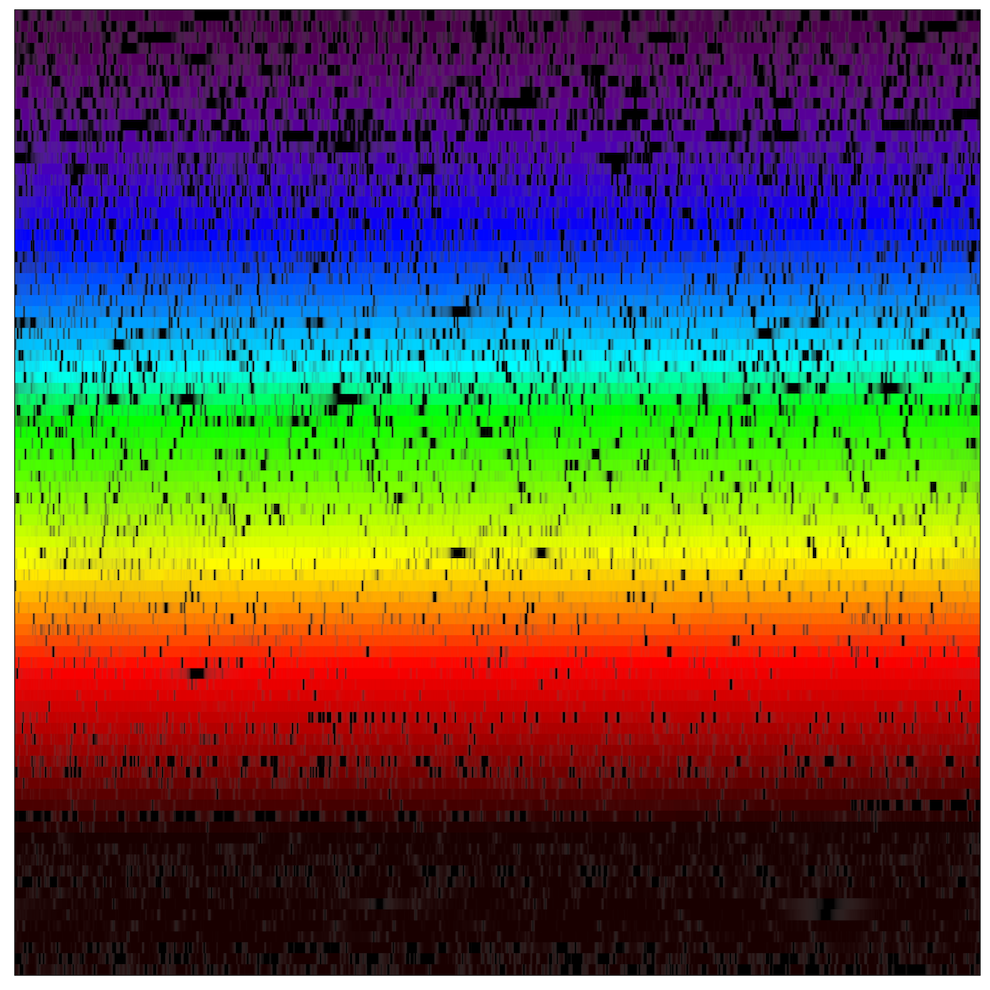
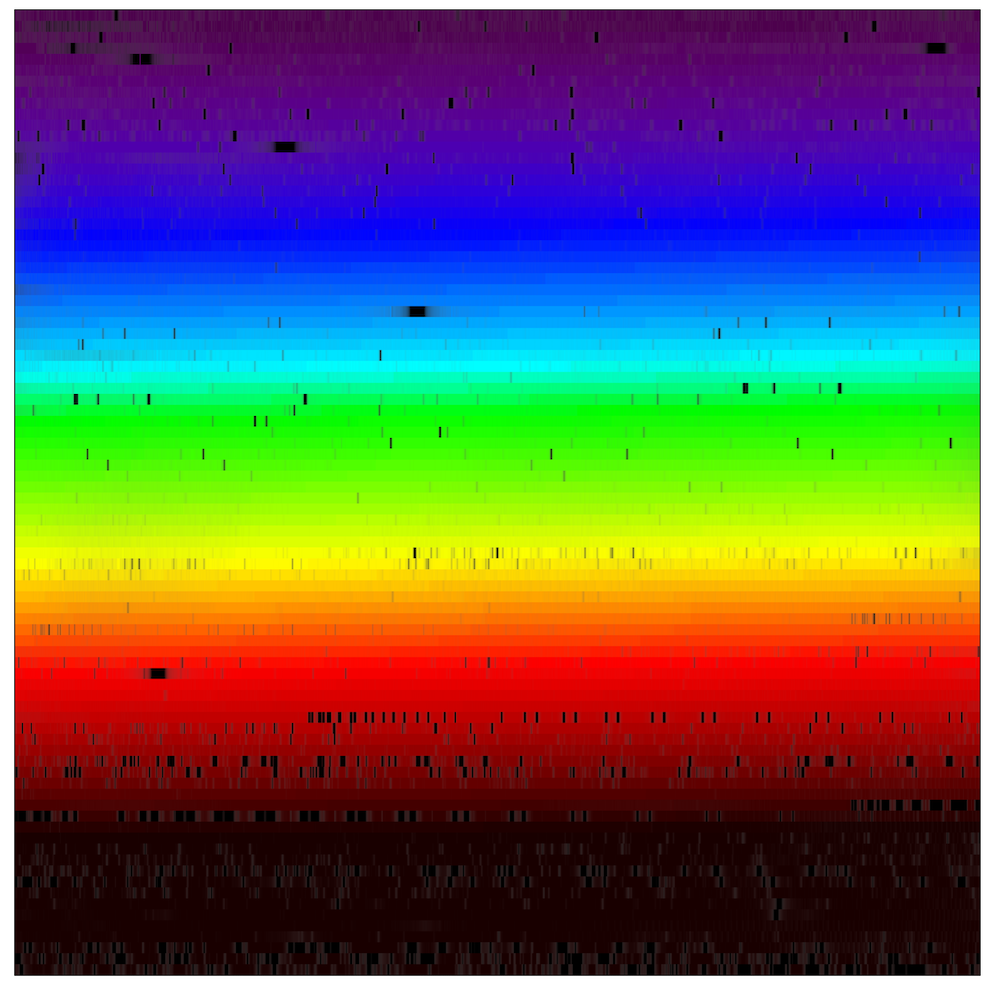
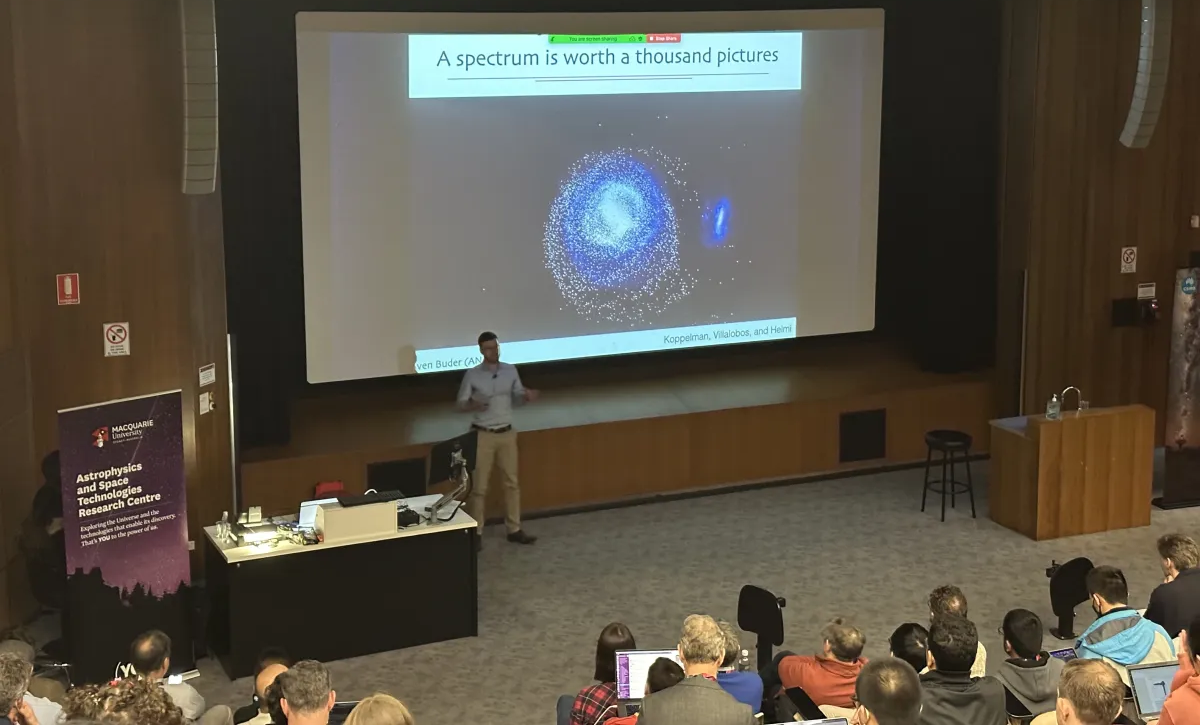
I combine high-resolution stellar spectroscopy and cosmological simulations to reconstruct how the Milky Way formed
and where the chemical elements originate.
I develop scalable, data-driven pipelines that translate spectra into precise and interpretable measurements,
including applications beyond astronomy.
-
35 h-index and an m-index of 3 based on 5000+ citations
-
9 & 122 First-author & co-authored publications
-
7 & 14 (Co-)supervised PhD & undergraduate students
-
10M+ hours of supercomputing time with CPU & GPU
-
1000+ nights of telescope time (worth ~$10M), 100+ nights as observer
Short academic biography
Dr Sven Buder is an Australian Research Council DECRA Fellow at the Australian National University.
He combines high-resolution stellar spectroscopy and cosmological simulations to reconstruct the formation history of the Milky Way
and to trace the origin of the chemical elements.
He is principal investigator of the million-star Galactic Archaeology with HERMES Survey (GALAH) and its successor GALAH 2,
and develops scalable, data-driven pipelines that translate spectra into precise and interpretable measurements for astronomy and interdisciplinary applications.
Career highlights
2023
Louise Webster Prize
by the Astronomical Society of Australia
in recognition of outstanding research by a scientist early in their post-doctoral career.
2023
Research Software Engineer Secondment
ACCESS-NRI – Australia's national climate modelling institute.
The advent of a new generation of instruments and telescopes is enabling us to investigate how galaxies like our Milky Way form and evolve
by tracing the chemical and dynamical fingerprints of their stars. By decoding this fossil record imprinted in stars through high-resolution
spectroscopy and cosmological simulations, we can reveal how galaxies assemble and enrich themselves with heavy elements.
I am undertaking research built around three complementary but tightly interlinked themes, with stellar spectroscopy as their unifying thread.
Together they form a coherent vision to connect the physics of stars with the formation of galaxies and the origin of elements, and to apply
the same analytical and data-driven tools that power astrophysics to broader scientific and educational frontiers.
-
1) Galaxy evolution via the Milky Way and its analogues
Connecting signatures in stellar measurements to their origins via cosmological simulations, to uncover how stellar discs form and evolve.
-
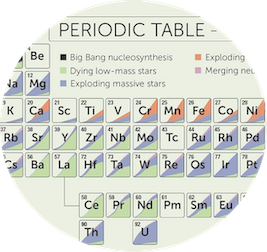
2) The origin of elements
Mapping nucleosynthetic pathways via high-precision stellar spectroscopy with the Veloce spectrograph, providing a proof of concept for ESO's proposed VLT instrument
HRMOS.
-
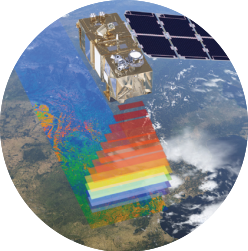
3) Spectroscopy across disciplines
Developing spectroscopic methods to bridge wavelength domains and foster interdisciplinary research and teaching.
Theme 1: Galaxy evolution via the Milky Way and its analogues.
How did galaxies like our Milky Way build their discs and sustain star formation across cosmic time? This remains one of the central open questions in galaxy formation.
While evidence points to early turbulent star formation, bar-driven evolution, and merger-induced heating, their interplay is still not understood.
My research aims to quantify how these processes shaped the Milky Way and its analogues by combining resolved chemodynamical data, extragalactic surveys,
and cosmological simulations in a unified framework.
-
(1a) The impact of mergers on disc galaxies.
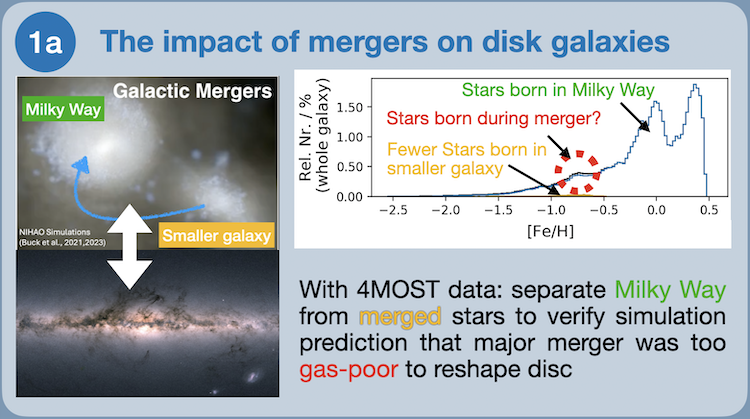
My earlier work showed that the Milky Way's last major merger was likely not gas-rich enough to rebuild the disc, as only a small population of stars shares its distinct chemistry.
I will map the inner Galaxy in elemental detail to test how mergers shaped its structure and enrichment history. These data will also prepare the ground for future facilities such as
VLT-MAVIS and
ELT-MOSAIC, extending these studies to external galaxies.
-
(1b) Chemical evolution of smaller galaxies.
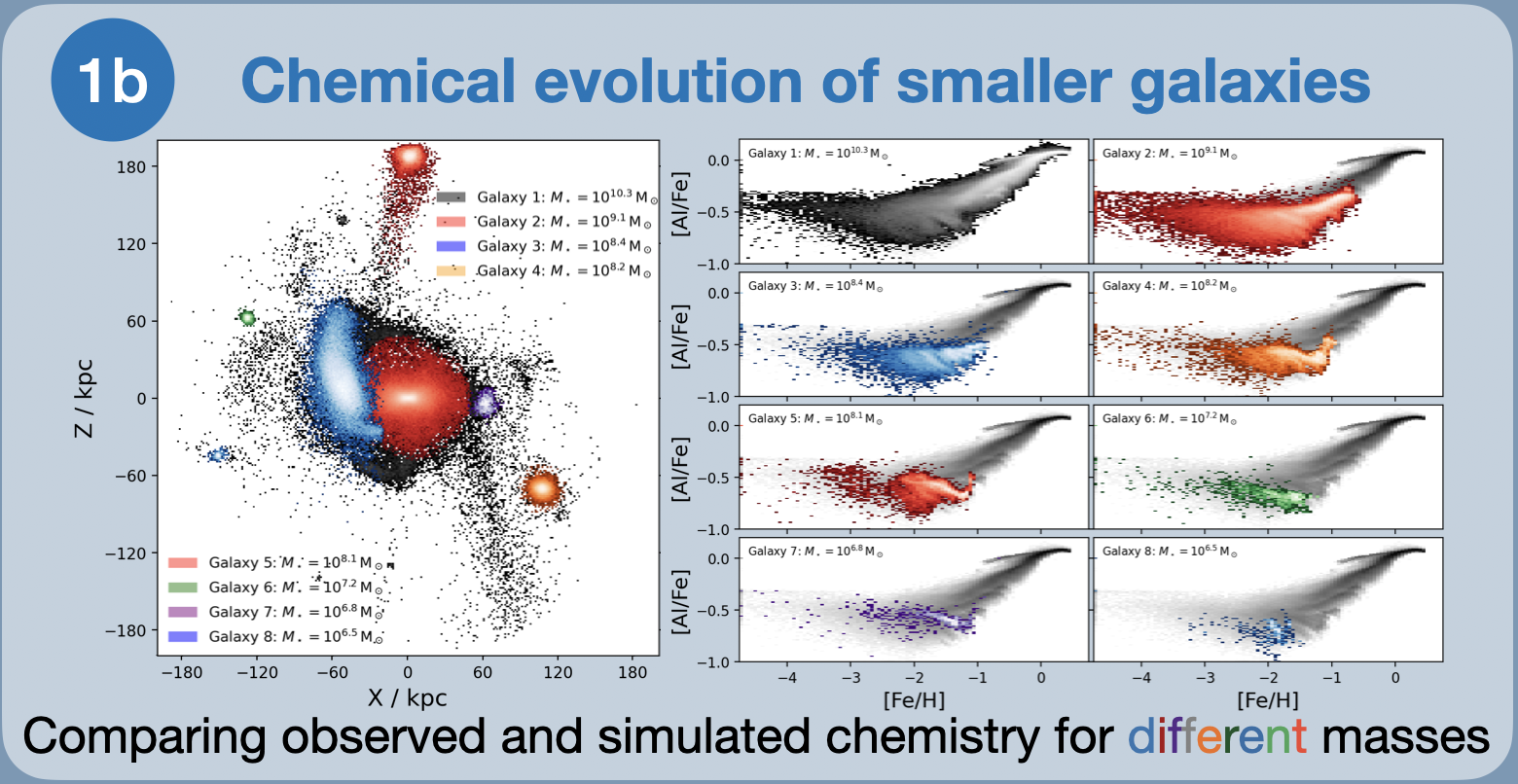
My PhD student Anell Cornejo Cárdenas
(completion expected 2028) is extracting dwarf galaxy chemistry from
MUSE spectroscopy.
Together with high-resolution NIHAO-UHD simulations, we will link the chemical evolution
of these dwarfs to their role as the building blocks of the Milky Way halo and assess how unique our Galaxy's merger history has been.
-
(1c) Bridging (extra-)galactic archaeology.
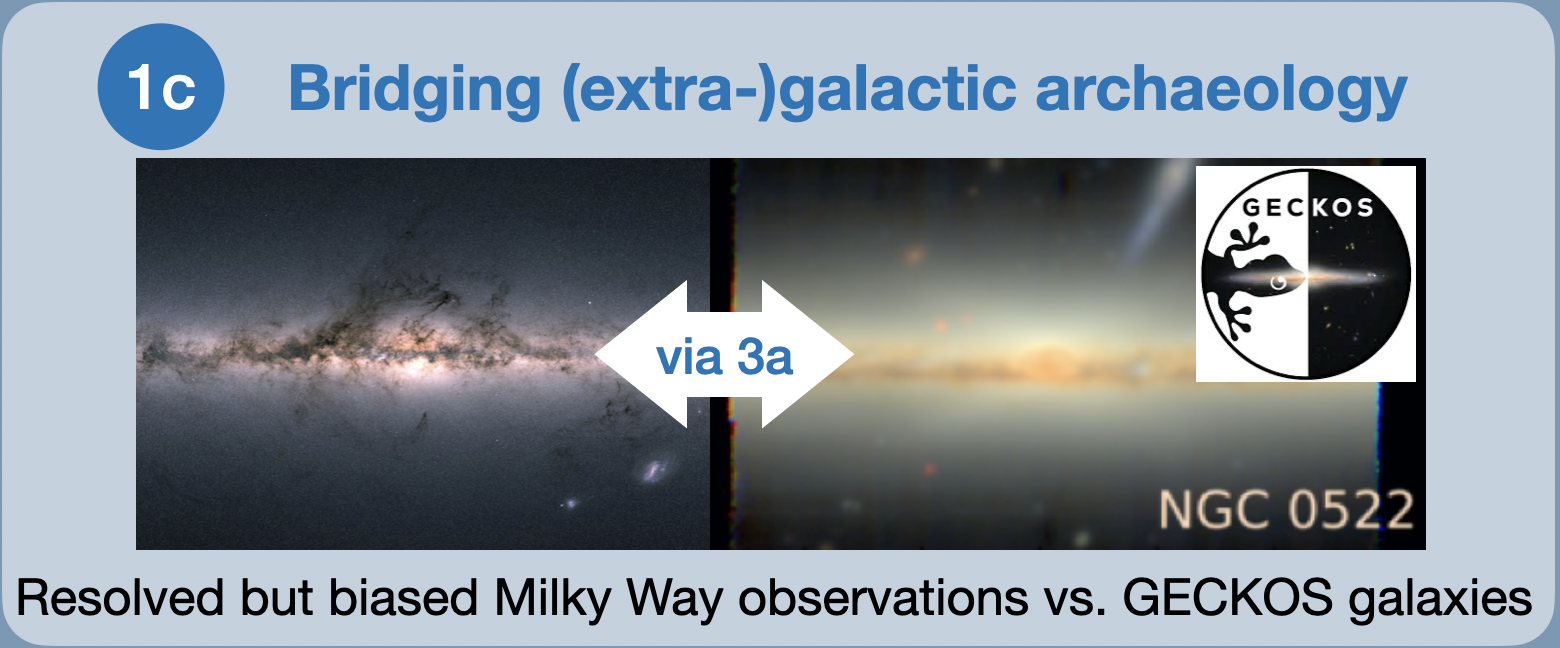
As part of the GECKOS
VLT-MUSE survey
(van de Sande et al. 2023),
we will apply the integrated-spectroscopy methods I am developing under Theme 3a to trace enrichment histories across multiple elements.
We will compare the Milky Way's resolved but locally biased view of chemical evolution with edge-on disc galaxies observed via integrated light.
Moving beyond metallicity, this complementary perspective will reduce biases in inferring the processes that govern disc formation across environments
and help interpret the Milky Way in a cosmological context.
These efforts will deliver observation-driven simulation tests linking merger history, satellite evolution, and disc formation.
Theme 2: The origin of elements.
Where and how are the elements forged? While most elements are now known to originate in stars or their explosions and mergers, major uncertainties remain in how stellar yields and
binary evolution shaped the chemical makeup of the Universe throughout cosmic time. This question links every scale of astrophysics from planets to galaxies, and demands both
precision spectroscopy and predictive modelling.
My research combines data-driven analysis with theoretical insight to address these gaps, and complements 3D NLTE modelling efforts
(Lind & Amarsi 2024).
These approaches provide the dual foundations of precision and realism that are needed to map how stars create and recycle the elements that shape planets and galaxies.
-
(2a) Quantify elemental and isotopic variations with unprecedented precision.
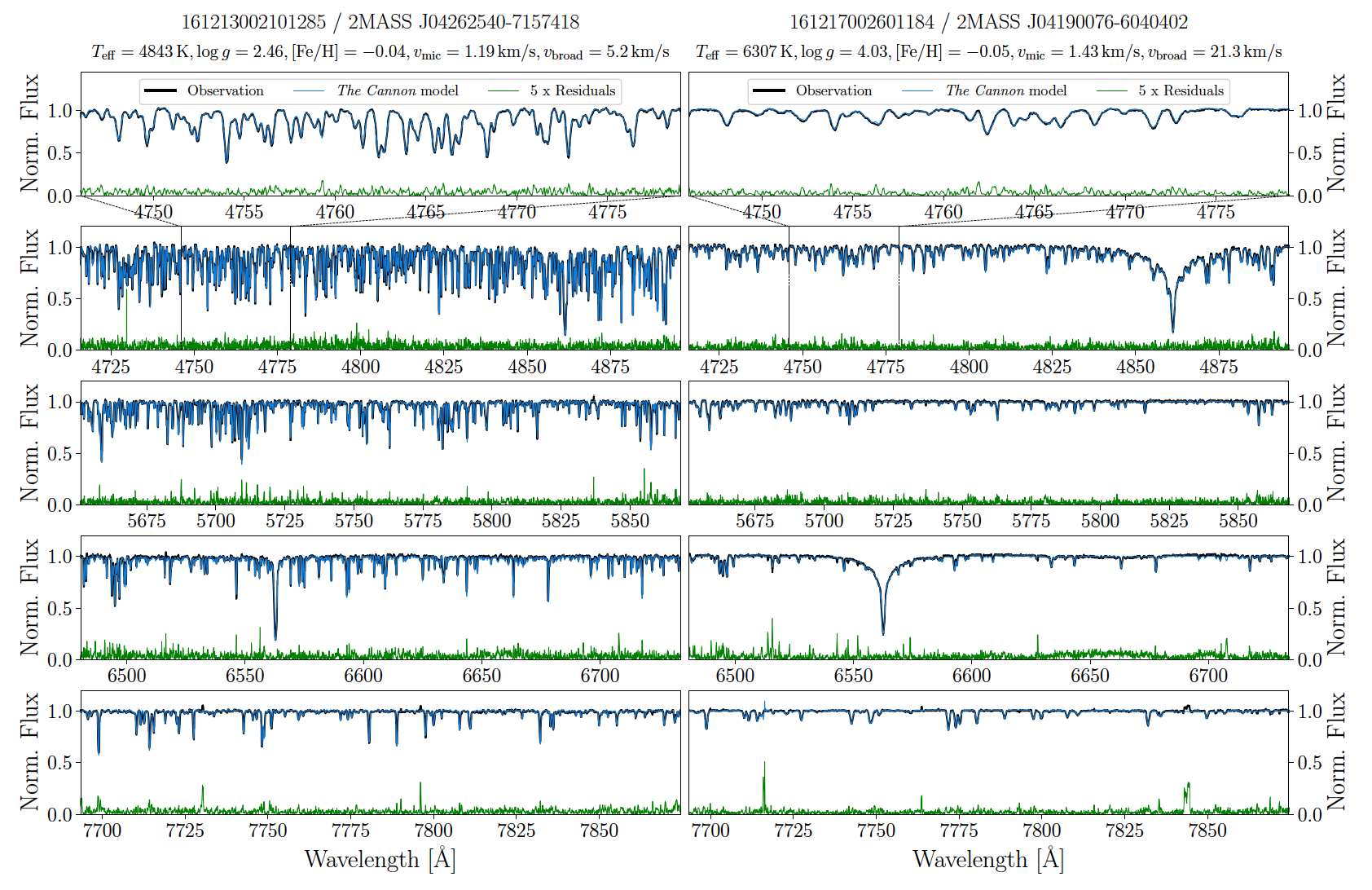
As PI of the ongoing GALAH-2 Large Program, I will deliver 0.01 dex precision for elemental and isotopic abundances using the Veloce spectrograph at the 3.9m Anglo-Australian Telescope,
with dedicated observing time secured through 2027. This programme complements observations of the original GALAH survey and provides early high-precision benchmark measurements for ESO's proposed
HRMOS concept to test models of internal mixing, stellar mass loss, and the relative contributions of massive versus evolved stars,
in order to constrain elemental production sites and yields.
-
(2b) Identify signatures of binary evolution and mixing.
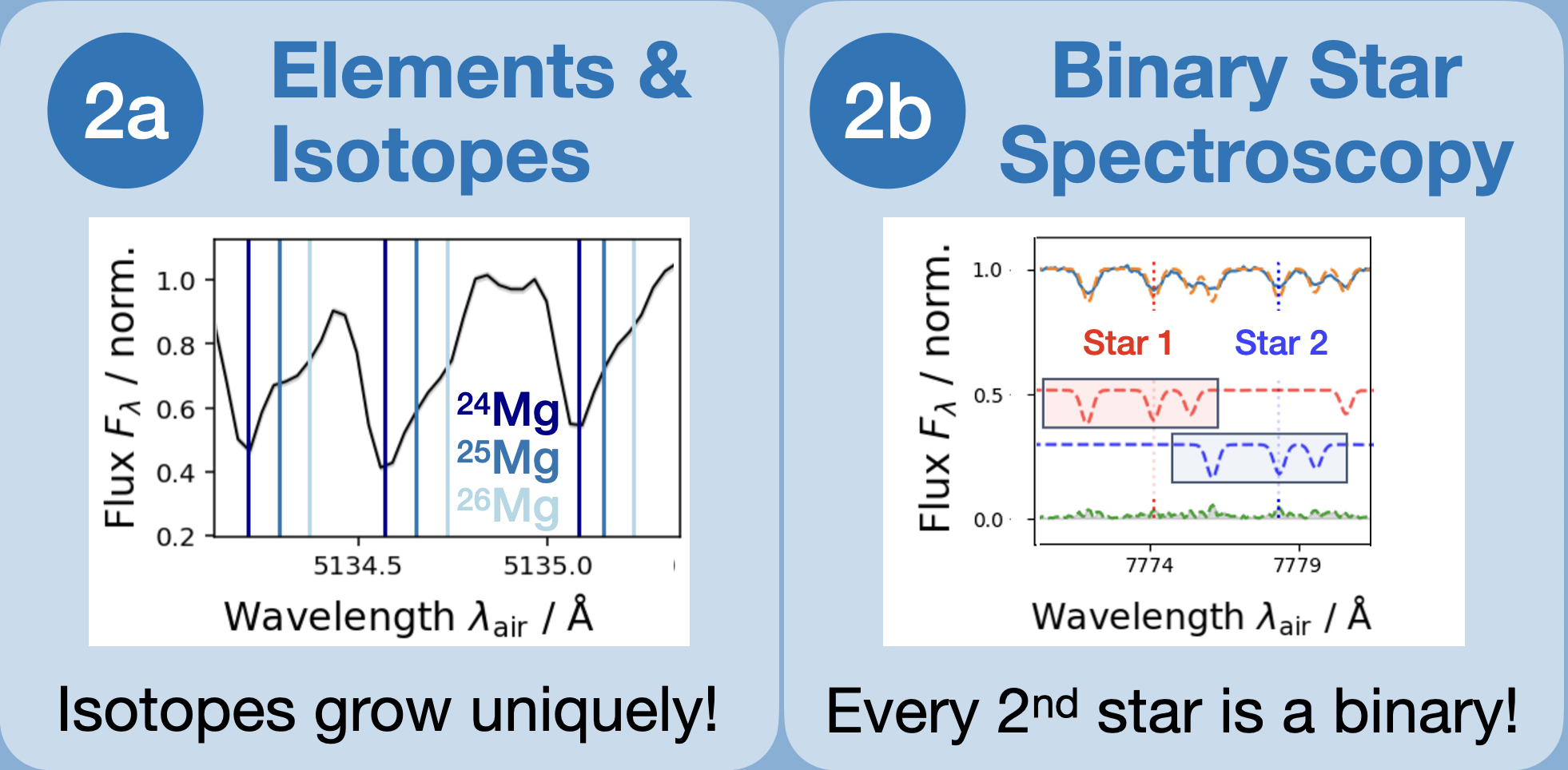
Every second star is part of a binary system. The work of my PhD student Yani Lach (expected completion 2028) on extracting
elemental abundances from binary star spectroscopy will quantify how binary evolution, interaction, and rotation alter surface abundances. The comparison of abundance patterns between closer and wider systems
will quantify the importance of binarity for chemical evolution.
-
(2c) Map element-production channels.
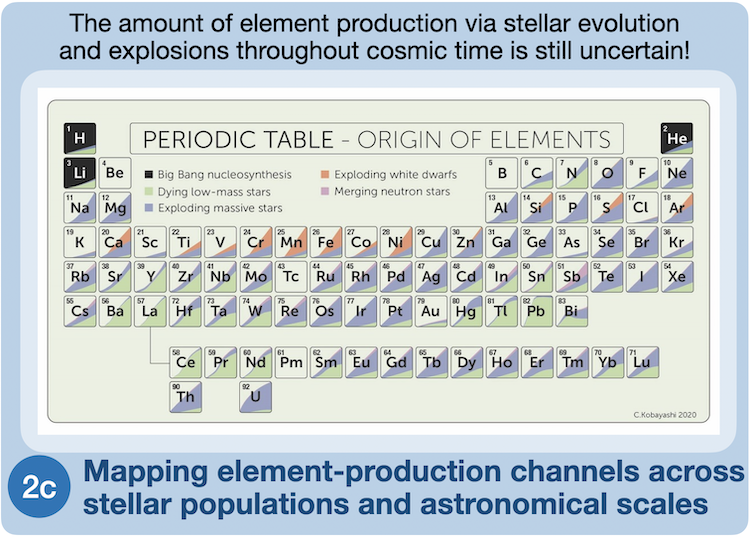
By combining high-precision abundances with chemical evolution models, my collaborators and I will extract nucleosynthetic fingerprints from stellar and galactic abundance measurements using our fast,
simulation-based inference framework (Buck et al. 2025).
By combining Veloce's precision with HRMOS-era reach and linking stellar spectroscopy to the formation of planets and galaxies, this theme is driving future key projects on the origin of the elements.
Theme 3: Spectroscopy across disciplines.
Where else can the tools we develop for stellar spectroscopy be applied to benefit science and society? Spectroscopy is a universal diagnostic of matter:
the same principles that reveal the composition of stars can illuminate processes in galaxies, the interstellar medium, and even Earth's environment.
This theme extends spectroscopy across wavelengths and disciplines to connect astrophysics, climate science, and education.
-
(3a) From resolved to integrated spectroscopy.
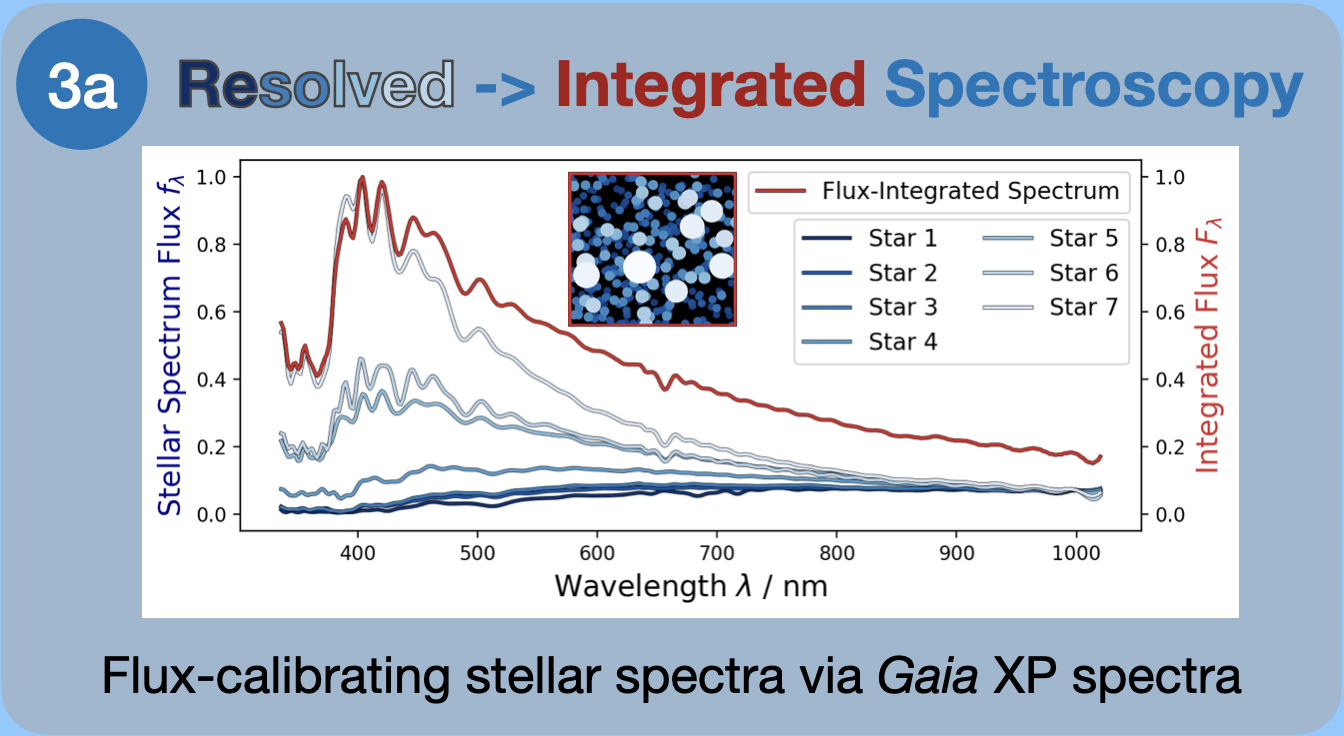
A key step toward bridging Galactic and extragalactic astronomy is translating high-fidelity stellar spectroscopy into integrated-light observations.
With collaborators and a postdoctoral researcher, I will develop a library of stellar-population templates from Milky Way spectra flux-calibrated with
Gaia XP data.
These abundance-variable templates will support analyses of integrated spectra from instruments such as
VLT-MUSE and
VLT-MAVIS, overcoming long-standing limitations in population-synthesis models and uniting stellar and extragalactic spectroscopy.
-
(3b) Multi-wavelength and multi-domain astronomy.
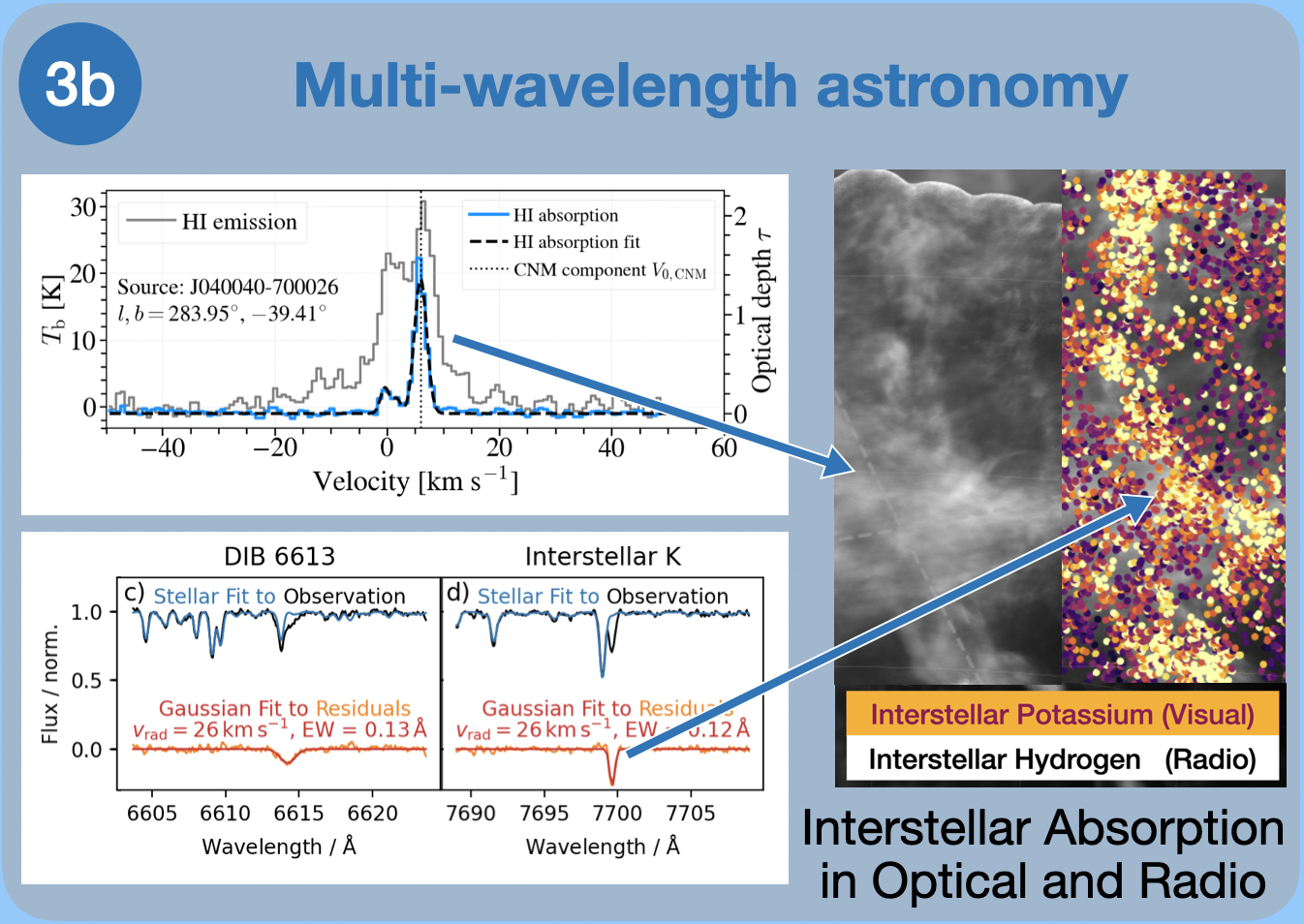
In a pilot project combining GALAH optical spectroscopy with ASKAP radio observations
(Nguyen, Buder et al. 2025),
I demonstrated that cross-wavelength analysis can map the interstellar medium across density regimes.
Building on this, I will expand collaborations with radio astronomers to link atomic and molecular gas phases in the Milky Way using targeted optical spectroscopy.
This work connects to upcoming large-scale surveys and prepares for the Square Kilometre Array by establishing a unified optical–radio view of the Galactic ecosystem.
-
(3c) Spectroscopy beyond astronomy.
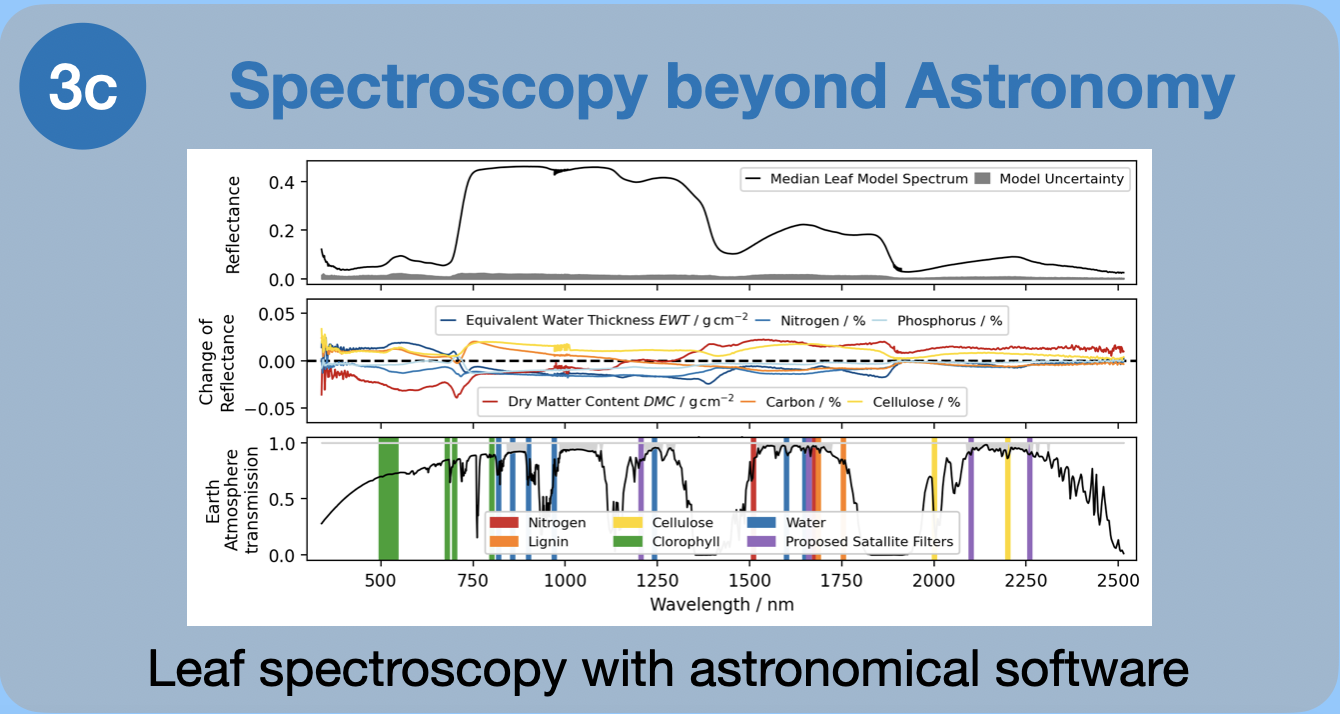
Together with environmental scientists and our instrumentation team at the ANU who build a wildfire risk monitoring satellite called
OzFuel,
we have shown that we can infer carbon and nitrogen abundances from leaf reflectance spectra by applying the data-driven stellar analysis framework of
The Cannon.
Extending this to indicators such as chlorophyll and pigment ratios will show how astronomical methods can address environmental and sustainability challenges.
My vision is to establish spectroscopy as a shared quantitative language across astronomy and environmental science, and to build a cross-disciplinary training platform where students
apply data-driven analysis across domains and develop end-to-end pipelines, from data collection to calibration, archiving, and reproducible analysis.
These efforts will turn spectroscopy from a specialised tool into a collaborative and educational framework for data-driven, cross-disciplinary research.
Selected papers across research themes
GALAH Survey Data Releases
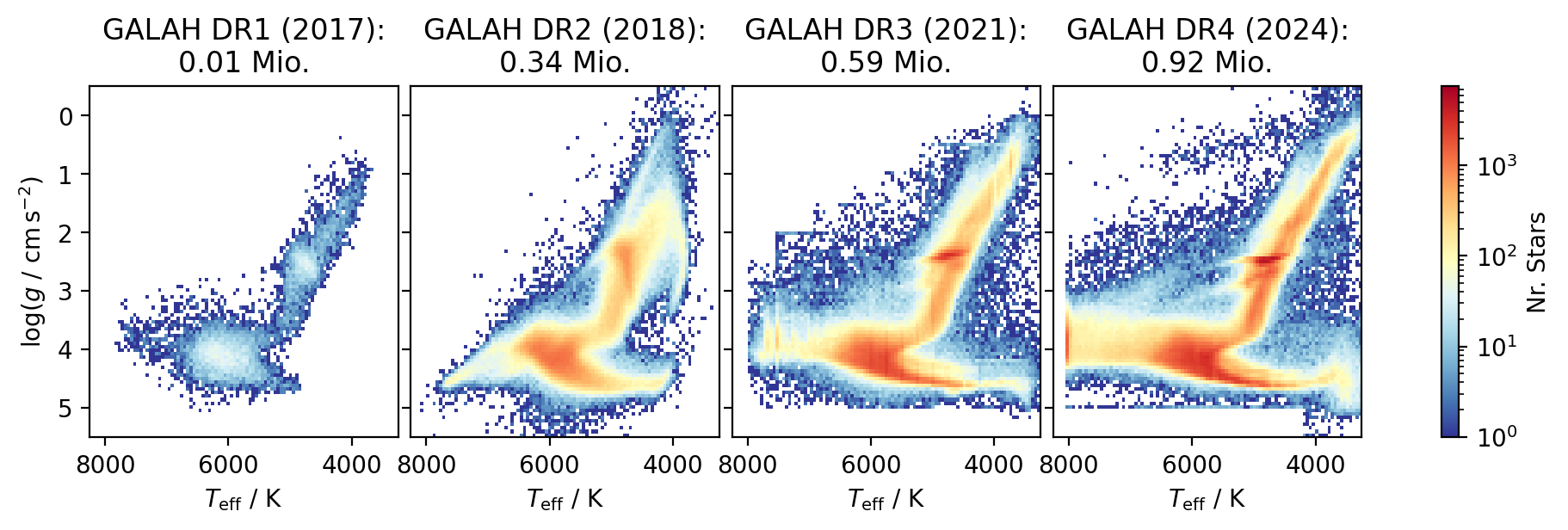
I have led three major GALAH survey data releases as first author, each serving as a community benchmark dataset with strong citation impact.
|
Buder, Kos, Wang et al. (2025)
|
GALAH DR4 – Million-star scale and extended element coverage.
Survey release · Precision spectroscopy · Synthetic spectrum interpolation with neural networks
Delivered the next-generation benchmark dataset at near-million-star scale, expanding the chemical and stellar-parameter landscape for the community.
|
|
Buder, Sharma, Kos et al. (2021)
|
GALAH DR3 – Flagship release and benchmark dataset.
Survey release · Chemistry, dynamics, ages
Major data release enabling large-scale Galactic archaeology and hundreds of follow-up studies across stellar, planetary, and Galactic science.
This paper was the most-cited MNRAS paper in 2021 (by citation count).
|
|
Buder, Asplund, Ly et al. (2018)
|
GALAH DR2 – First extraction of up to 23 elements.
Survey release · Data-driven spectrum interpolation
Delivered a major step forward in sample size and ultimately established The Cannon as innovative tool for large spectroscopic survey analysis.
|
Theme 1: Galaxy evolution via the Milky Way and its analogues.
|
Buder, Lind, Ness et al. (2019)
|
Milky Way disc formation and bimodality.
Disc evolution · Ages & multi-element chemistry
Linked ages and chemistry to clarify the thin/thick disc bimodality and constrain disc formation pathways.
|
|
Buder, Lind, Ness et al. (2022)
|
Accreted halo structure and merger history.
Halo assembly · Selection biases
Distinguished accreted and in-situ halo populations to test merger history and quantify observational selection effects.
|
|
Buder, Mijnarends, & Buck (2024)
|
Accreted star identification via simulations.
Simulations · Calibration
Established simulation-based criteria for identifying accreted stars and calibrating observational selection methods.
|
|
Buder, Buck, Chen, & Grasha (2025)
|
Bridging Galactic and extragalactic metallicity studies.
Cross-scale comparison · Gradients
Connected Milky Way and extragalactic metallicity-gradient measurements with cosmological simulations and highlighted key observational selection biases.
|
Theme 2: The origin of elements.
|
Griffith, Weinberg, Buder et al. (2022)
|
Data-driven nucleosynthesis exploration.
Nucleosynthesis · Abundance patterns
Used data-driven residual analyses to disentangle correlated abundance patterns and constrain nucleosynthetic channels and rare populations.
|
|
Buck, Rybizki, Buder et al. (2021)
|
Simulation–observation framework for chemistry.
NIHAO-UHD · Chemical evolution
Implemented a chemical-evolution framework in NIHAO-UHD zoom-in simulations, enabling direct comparisons to observed multi-element abundance patterns.
|
|
Owusu, Buder, Ruiter et al. (2024)
|
Disc population diagnostics via sodium.
Population separation · Elemental diagnostics
Demonstrated sodium's diagnostic power for disentangling overlapping stellar disc populations with same age and alpha-process abundances, improving constraints on disc evolution.
|
Theme 3: Spectroscopy across disciplines.
|
Ness, Mendel, Buder et al. (2025)
|
Pilot study bridging Galactic and extragalactic spectroscopy.
Integrated light · Data-driven inference
Demonstrated that data-driven spectroscopy can robustly recover chemical abundances from low-resolution, low-SNR extragalactic spectra.
|
|
Nguyen, Buder, Soler et al. (2025)
|
Optical–radio synergy in ISM mapping.
Multi-wavelength · ISM
Combined optical (GALAH) and radio (GASKAP) data to map the cold interstellar medium and enable future survey synergy (4MOST, SKA).
|
Research Group & Supervision
I am currently primary supervisor of 2 PhD students and co-supervisor of 4 PhD students.
Since 2020, I have supervised 22 research students across undergraduate, Honours, and PhD levels.
Research environment: the larger GASP community at our institute
My group is part of a larger RSAA community with a joint weekly meeting called GASP
(Galactic Archaeology and Stellar Populations). GASP brings together multiple group leaders and their teams,
including faculty members Melissa Ness and Luca Casagrande, and emeritus professors
Ken Freeman and Gary Da Costa, as well as their postdoctoral researchers, PhD students,
and selected undergraduate researchers. This structure provides students with broad feedback, collaboration opportunities,
and exposure to diverse methods across Galactic and stellar astrophysics.
Current primary PhD students
-
Bridging galaxy evolution with dwarf galaxy observations and simulations.
-
Stellar evolution with spectroscopic binaries. Currently undertaking an internship at NASA’s Jet Propulsion Laboratory.
PhD students I co-supervise
-
Discovering the secrets of stars using the wealth of spectroscopic datasets.
-
Data-driven nucleosynthesis and Galactic evolution.
-
The chemical evolution of high-redshift quiescent galaxies.
-
Quin Aiken Davies (2026–)
High-precision abundances for Gaia Benchmark Stars.
Graduated PhD students I co-supervised
-
Spectroscopic measurements of lithium in late-type stars. Postdoc at Stockholm University.
-
High-precision spectroscopy and isotopic analysis of globular clusters. NASA Hubble Fellow at Carnegie Observatories.
-
Stellar nucleosynthesis in the Milky Way with a focus on sodium.
Jump to:
I supervise student projects for ANU students at multiple levels (ASTR3005, Honours, and PhD) that combine scientific questions,
real data, and reproducible software. Projects can be astronomy-focused or method-focused, and I welcome students interested in
stars, the Milky Way, and spectroscopy as a transferable skill.
Supervision style
I place strong emphasis on accessibility and initiative. I make time for my students and encourage them to ask questions early and often.
Scientific progress rarely happens in isolation, and I am always happy to discuss ideas, results, or difficulties—especially when something interesting emerges.
At the same time, I expect students to take ownership of their projects. Successful research requires curiosity, persistence, and proactive communication.
I encourage students to contact me as soon as they obtain new results, identify unexpected behaviour, or refine a question.
Regular interaction and momentum are key ingredients of productive projects.
I pay particular attention to clarity of presentation and reproducibility. High-quality figures, clear scientific storytelling,
and transparent, version-controlled code are central components of my supervision. Students work with Git and GitHub from early on,
and projects are structured to be fully reproducible. I provide a dedicated project template that includes minimal code examples,
a structured report format, and an annotated MNRAS manuscript template:
template_student_projects (GitHub)
.
Clear expectations and constructive feedback are an integral part of my supervision, and projects are designed to be ambitious but achievable.
What you will gain
- Experience working with large astronomical datasets
- Reproducible scientific software development (Python, Git, HPC)
- Statistical inference and data-driven modelling
- Scientific writing and presentation at conferences
- Observing experience at major facilities (where applicable)
Projects are typically designed to lead to a publication where appropriate.
For PhD students, the programme is structured around multiple publishable research outputs.
For Honours students, publication is possible but depends on scope and project development.
What to include in a first email
- Your background and current degree/program
- Your transcript (to confirm eligibility)
- What you would like to learn
- What type of project you are looking for (astronomy-focused, methods-focused, or both)
- Your envisioned project start and end dates
- If you already have ideas, include them. If you do not, that is fine—we can identify a suitable project together.
PhD funding information
Domestic PhD students admitted to ANU typically receive full funding through competitive scholarships.
International applicants can find detailed information about entry requirements and funding options at:
I contribute to the following ANU courses:
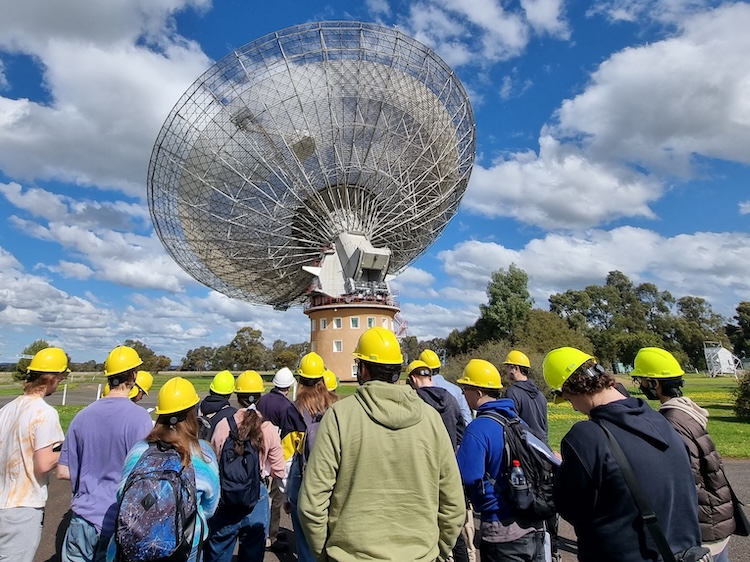
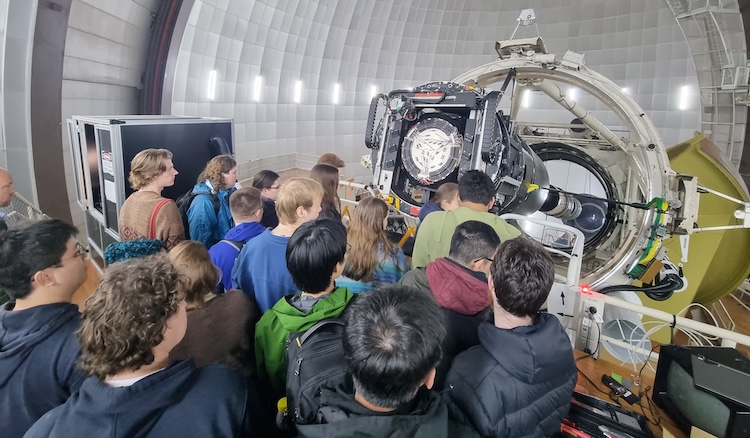
Pictures from previous ANU ASTR2013 field trips to Murriyang (The Dish) and the Anglo-Australian Telescope.
Teaching philosophy
My teaching practice is grounded in evidence-based, research-aligned pedagogy that fosters critical thinking, clear reasoning,
and hands-on engagement with scientific data. I aim to create inclusive learning environments in which students develop the analytical,
computational, and collaborative skills required for modern astrophysics and for data-driven careers beyond academia.
My approach combines structured and visual explanation with interactive dialogue. I use guided questioning, inspired by the Socratic method,
to help students express concepts in their own words, recognise assumptions, and compare approaches. I openly discuss how scientific understanding
develops through testing, revision, and learning from mistakes, including my own, to normalise iteration and build intellectual independence.
A second core principle is preparing students for diverse career paths. My secondment as a Research Software Engineer in climate modelling strengthened
my understanding of the skills valued outside academia—collaborative coding, version control, reproducibility, and communication across disciplines.
These elements now form an integral part of my course design.
About the Skillshare programme
I coordinate a monthly Skillshare at my institute. This format provides an informal but structured space to share practical research skills,
professional development strategies, and effective workflows that are often learned implicitly rather than taught explicitly.
Topics include refereeing, ADQL/SQL, GitHub workflows, python packaging, proposal writing, and effective collaboration.
The goal is to foster a collaborative and skill-driven research culture, where students and early-career researchers gain confidence
in both technical and professional aspects of academia. Materials are added throughout the year.
ABC National TV News Coverage
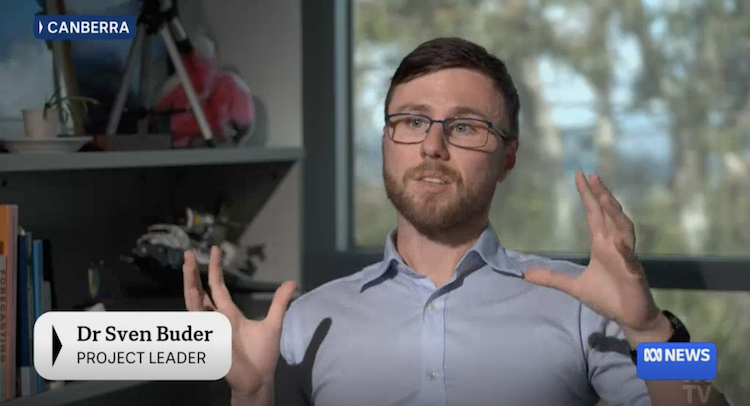
In 2024, I spoke with ABC News Australia about the GALAH Data Release 4, mapping almost one million stars across the Milky Way.
The segment highlighted how stellar chemistry reveals the formation history of our Galaxy. You can watch it here.
Science Communication & Public Engagement
I regularly give public talks and outreach presentations across Australia, including:
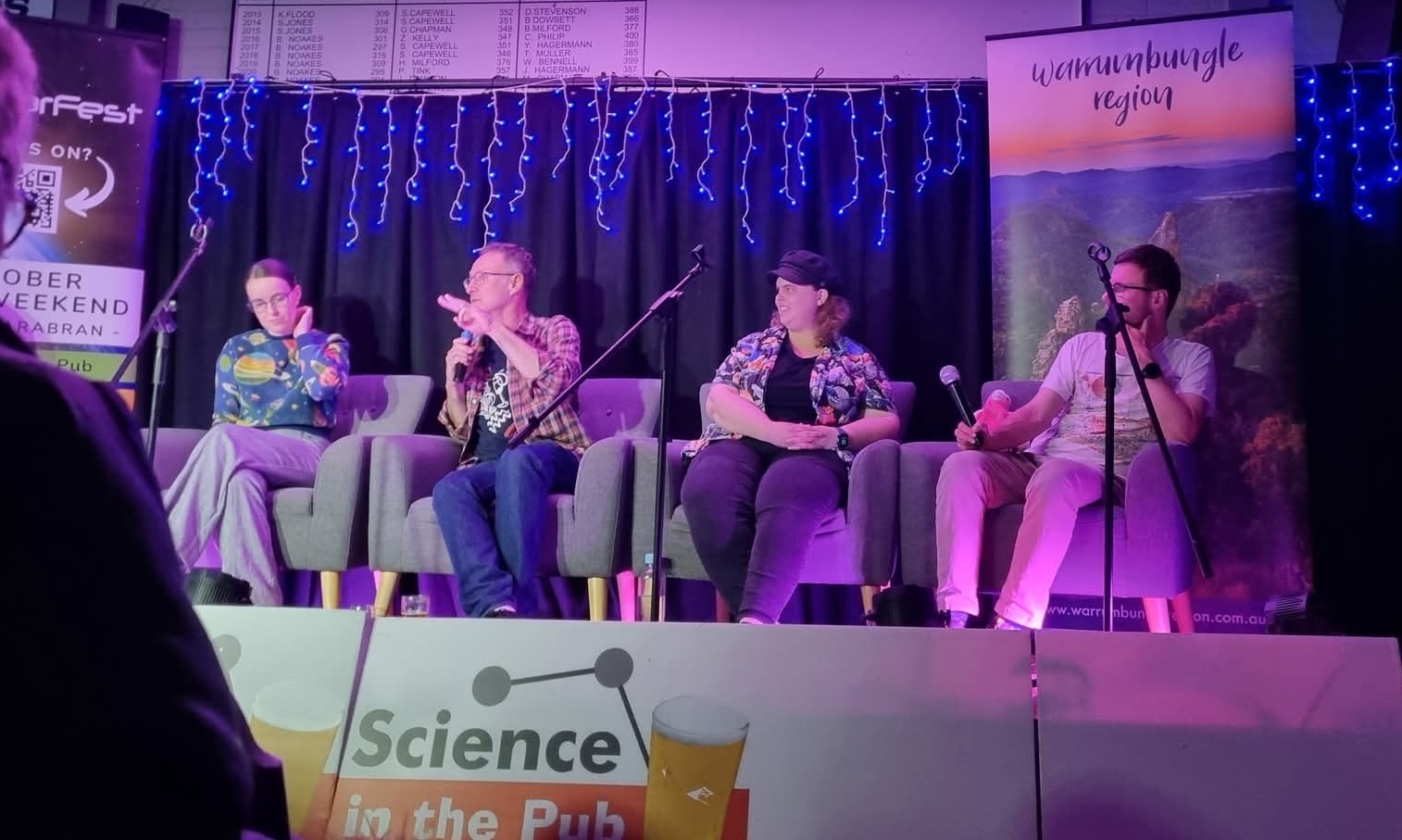
- Science in the Pub at StarFest, Coonabarabran (pictured)
- Public Nights at Mount Stromlo Observatory
- Regional astronomical societies
- National Youth Science Forum
- Indigenous Work Experience programs
These talks focus on:
- How light reveals the chemistry of stars
- How galactic mergers shaped the Milky Way
- What large surveys like GALAH teach us about cosmic history
- How astronomy techniques apply beyond astronomy